Buying a home is usually the biggest investment you’ll ever make, and there are lots of things to look out for when considering properties. One aspect you shouldn’t overlook is the property’s electrics. Faulty or outdated systems can pose safety risks, have higher repair costs and affect the house value.
To help you make an informed decision, here’s our electrical checklist for homebuyers.

Electrical sockets
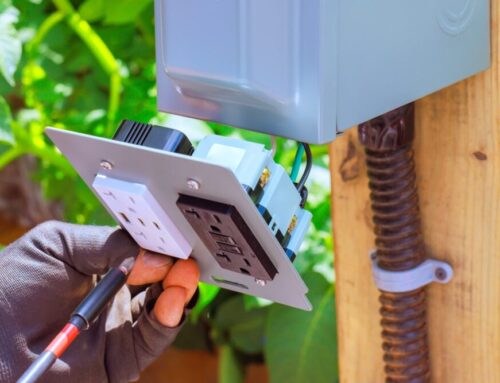
Many electrical sockets are used every day, so it’s important you have enough of them and that they remain in safe working order. Older properties may have a limited number of sockets per room, which can be inconvenient and lead to unsafe reliance on extension leads. Modern homes should have double sockets with integrated safety shutters, ideally in practical locations. An electrical contractor can also check for signs of damage, burning or loose fittings for you, which are potential hazards.
Lighting installation
Lighting does more than brighten a room—it also needs to be safe and efficient. Poorly fitted or outdated installations can cause electrical faults and fire risks. Energy-efficient LED lighting is now standard in most modern installations and helps reduce electricity bills. Homebuyers should check ceiling fittings, light switches and whether bathroom and outdoor lights have the correct IP-rated fittings to protect against moisture. A qualified electrician can also confirm whether dimmer switches and other smart lighting systems are safely wired.
Wiring and cables
The condition of the wiring is an essential element of any electrical survey. Some older homes may still have outdated wiring systems that don’t meet modern safety standards. For example, rubber or lead-insulated cables were commonly used in the past but deteriorate over time and pose serious risks. Signs of outdated wiring include fabric-coated cables and old fuse boxes. Rewiring a house can be a major expense, so understanding the true condition of the wiring before purchase can help you budget appropriately and avoid nasty surprises.
Consumer units
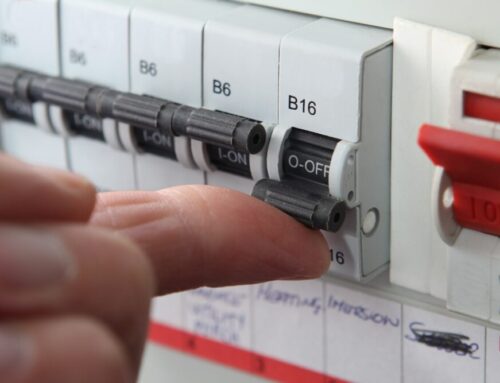
Modern fuse boxes are known as consumer units, fitted with Residual Current Devices (RCDs) to protect against electric shocks. Circuit breakers should also cut power in the event of a fault. If the consumer unit looks dated, has no RCD protection or uses rewireable fuses, it probably needs upgrading. It isn’t just about electrical safety but how well the system can cope with all your appliances and electrical installations.
Electrical certificates for homebuyers
Always ask to see the property’s electrical certificates. A valid Electrical Installation Condition Report (EICR) will outline the safety and compliance of the system, plus any recent electrical work carried out by a registered professional. Without these documents, you may be left guessing about the safety and quality of the property electrics. Having up-to-date certification gives peace of mind and may also be required for mortgage or insurance purposes.
Contact DTEEC today for help with homebuyer electrics
DTEEC offers electrical inspections and EICRs across South London, Surrey and beyond, including Banstead and Cheam. For homebuyer electrical services, contact DTEEC here.