Whether it’s commercial premises, residential properties or landlord electrics, water leaks can cause havoc. It’s a common problem, especially in rainy seasons, but if water comes into contact with your electrics, the safety risks dramatically increase. From short circuits to electric shocks, water and electricity are a hazardous mix.
As approved electrical contractors, we’re often called out after leaks have already caused damage, many of which could have been minimised with fast action and proper precautions. Here’s how water leaks can affect your property’s electrics and what you should do to stay safe.
Can a water leak cause electrical issues?
Yes! Even a small amount of water can cause electrical issues. Water travels through walls, ceilings and floors, which causes problems if it reaches wiring, sockets, light fittings or consumer units. Once water enters the electrical system, you may see tripped circuits, damaged components, corrosion or complete electrical failure. Hidden leaks are particularly dangerous, as damage may happen out of sight for weeks or months before symptoms appear.
What happens when water gets into electrics?
When water comes into contact with electrical components, it disrupts the normal flow of electricity. This can result in short circuits, overheated cables, tripped RCDs, wiring corrosion, and increased risks of electric shocks and fires. Contaminated water (e.g., from plumbing or roof leaks) can also worsen the situation, as minerals and debris increase conductivity.
Will wet electrics dry out?
In some cases, electrical components may dry out, but this doesn’t mean they are 100% safe to use. Moisture can remain trapped inside sockets, switches and cables, leading to long-term corrosion and weakened insulation. Even if your electrics appear to work again after drying, hidden damage may cause problems later on. That’s why wet electrics should always be inspected by a qualified electrician before being switched back on.
How long should you leave electrics off after a leak?
There’s no ‘one-size-fits-all’ answer. Switch off your electrics until the source of the leak has been fixed and a professional inspection is completed. Depending on the severity of the leak and affected areas, this could range from 24 hours to several days. Never turn the power back on simply because things ‘look dry’ — moisture could remain behind walls or inside fittings.
How can you safeguard your home electrics?
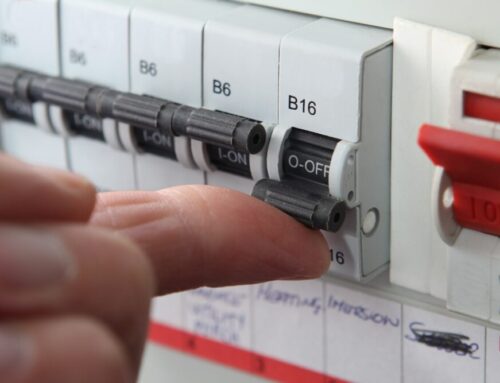
To reduce the risk of water-related electrical damage, always fix leaks as soon as you notice them, and never ignore damp patches on walls and ceilings. Ensure you know where your consumer unit and main isolator switch are. If you have an old fuse board, seriously consider an upgrade to a consumer unit with RCD protection. Avoid using sockets or appliances near water leaks, and arrange regular electrical safety inspections. If your home has suffered a water leak, always consult a NICEIC-registered electrical contractor before restoring power.
Need an emergency electrician? Contact DTEEC
DTEEC provides leading electrical contractor services in South London, Surrey and nearby areas, including Ashtead and Balham. To book an electrician visit, get in touch.