Electrical Installation Condition Reports (EICRs) are essential inspections for a property’s electrical system, ensuring safety and compliance with the latest UK regulations. Whether for a home, rental property or commercial site, an EICR can identify potential faults or risks before they cause harm, giving you time to take action.
At DTEEC, as approved electrical contractors, we often inspect premises where previous checks haven’t been adequate, or unnecessary actions have been recommended. That’s why it’s important to understand the common reasons for failing an EICR.

Faulty or DIY wiring fails
Faulty or deteriorated wiring is one of the most common reasons EICRs fail. This includes exposed or corroded cables, loose connections, or brittle insulation from older systems that used rubber and lead-sheathed cables. Over time, these can become unsafe and increase the risk of electrical fires or shocks. Incorrect wiring installations are also an issue, usually from poor-quality DIY electrical work, such as incorrectly wired sockets. All electrical work should be carried out by a qualified EICR contractor in accordance with the latest IET wiring regulations.
Outdated fuse boards and electrical panels
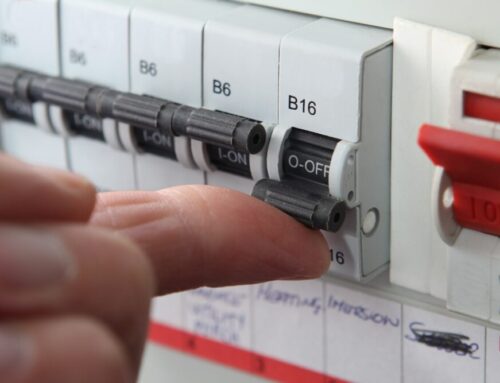
Old fuse boxes or outdated consumer units are a frequent cause of failure. Modern installations require features such as RCDs (Residual Current Devices) to protect against electric shocks and fire. Old fuse boards that still rely on rewirable fuses or lack RCD protection don’t meet today’s standards. Upgrading to a modern consumer unit will improve safety and compliance.
Unsafe or damaged electrical components
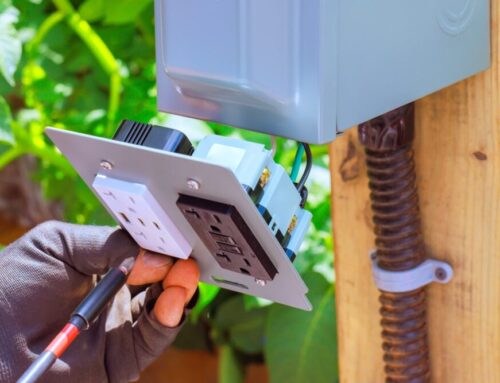
An EICR will also highlight unsafe or damaged sockets, switches and light fittings. Signs like scorch marks, cracks or loose faceplates indicate potential hazards. Another common EICR failure is insufficient earthing and bonding, which can make installations unsafe and increase the risk of electric shocks. Earthing ensures that if there was a fault, electrical current can be safely directed to the ground rather than through a person.
Overloaded circuits
Circuits supplying too many appliances or outlets at once can overload, resulting in a build-up of heat that could cause a fire. An EICR will identify any circuits drawing excessive current or where additional sockets or extensions are unsafe. If your property regularly trips the breaker or blows fuses, it can be a sign of overloading. A professional inspection is strongly advised.
Water ingress issues
Electrical equipment and moisture should never mix. Water ingress from roof leaks, damaged outdoor sockets or poorly sealed bathroom fittings can lead to corrosion, short circuits or electric shocks. Damp-related electrical faults may result in an immediate EICR failure until they’re properly repaired and made safe.
Poor electrical insulation
Electrical insulation prevents current from leaking from conductors. But over time, heat and physical damage can cause insulation to degrade, especially in older properties. An EICR uses insulation resistance tests to identify these faults. Low readings often mean replacement wiring is needed.
Book your next EICR with DTEEC
DTEEC offers EICRs in South London, Surrey and beyond, including Clapham and Epsom. Contact DTEEC now.